





Tips for Creating a Comfortable and Productive Home Office Space
Creating a home office that is both comfortable and productive is key to enjoying your work-from-home experience. Whether you work remotely full-time or need a dedicated space for occasional tasks, having a well-organized and inviting office can enhance your focus and well-being. Here are some practical tips to help you create an ideal workspace at home.
Choose the Right Location
Finding the best spot for your home office sets the foundation for productivity. Consider these factors when selecting your space:
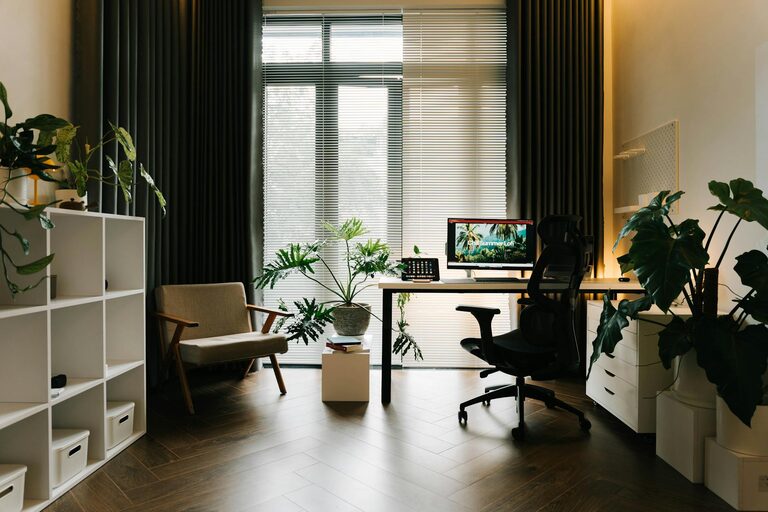
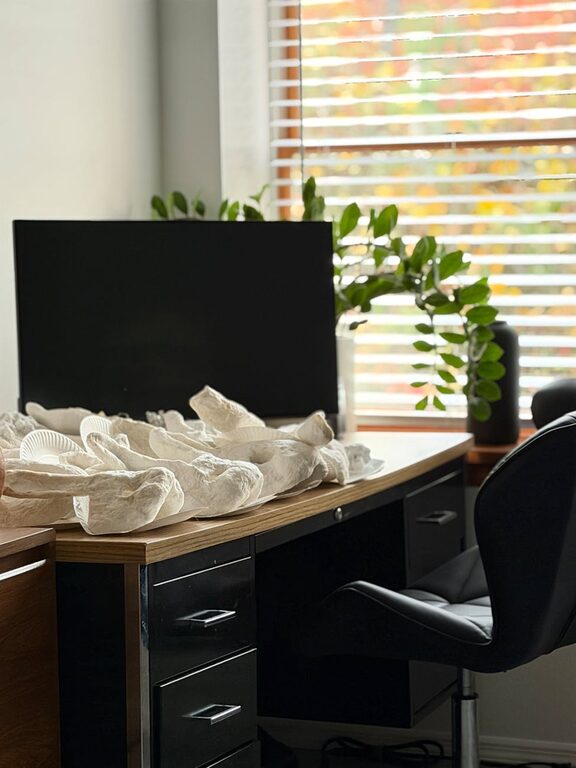
– Natural light: Choose a room or corner with plenty of natural daylight. Sunlight improves mood and reduces eye strain.
– Quiet environment: Pick an area away from high-traffic zones in your home to minimize noise distractions.
– Ventilation: Good airflow keeps the space fresh and comfortable throughout the day.
– Privacy: If possible, select a space with a door or the ability to separate your work zone from personal areas.
Invest in Ergonomic Furniture
Comfort is crucial for long hours at your desk. Poor posture can lead to discomfort and reduce efficiency. Here are some recommendations:
– Ergonomic chair: Select a chair with adjustable height, lumbar support, and cushioned seating to maintain good posture.
– Desk height: Ideally, your desk should allow your arms to rest at about a 90-degree angle while typing.
– Monitor position: Position your computer screen at eye level to avoid neck strain.
– Footrest: Consider a footrest if your feet don’t rest flat on the floor.
Organize Your Workspace Efficiently
An organized desk can help reduce stress and improve focus. Try these organization tips:
– Declutter regularly: Keep your desk clear of unnecessary items.
– Use storage solutions: Drawer organizers, shelves, and filing cabinets help store documents and supplies neatly.
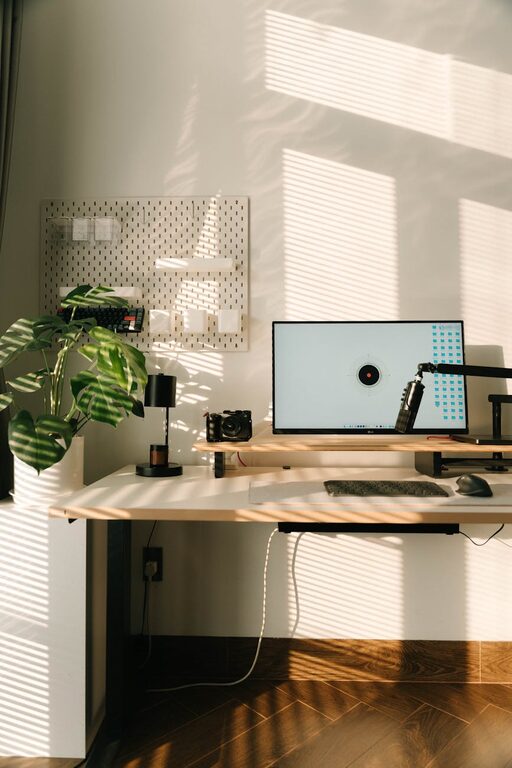
– Cable management: Use clips or cable sleeves to prevent cords from tangling.
– Keep essentials nearby: Place frequently used items like notepads, pens, or chargers within arm’s reach.
Optimize Lighting
Good lighting reduces eye fatigue and creates a virtual workspace that feels inviting.
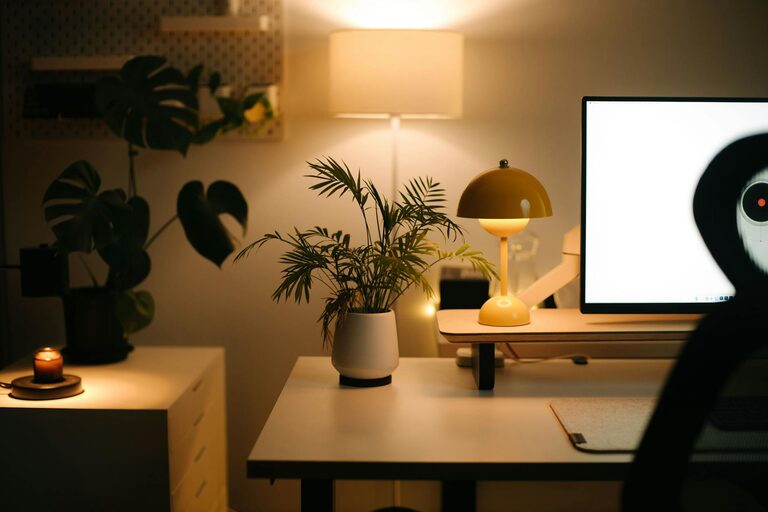
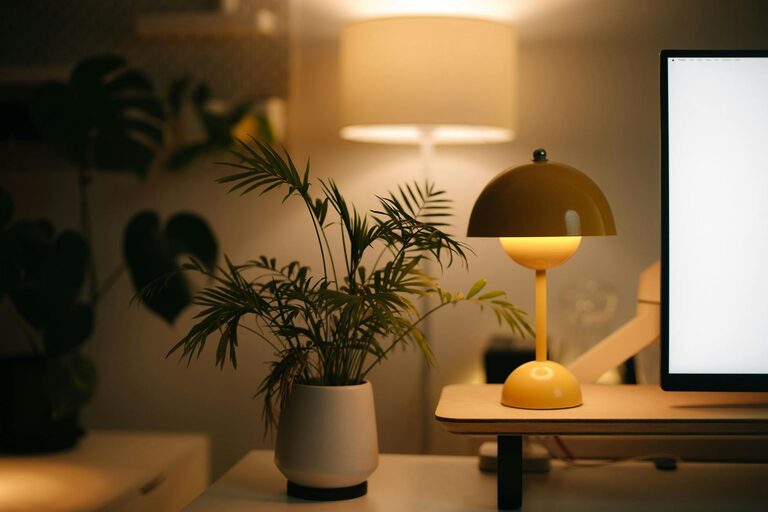
– Combine natural and artificial light: Use daylight during the day and supplement with desk or floor lamps as needed.
– Choose adjustable lighting: Lamps with dimming features allow you to control brightness.
– Avoid glare: Position your screen and lighting to minimize reflections.
Personalize Your Space
Adding personal touches can make your office a place you enjoy being in.
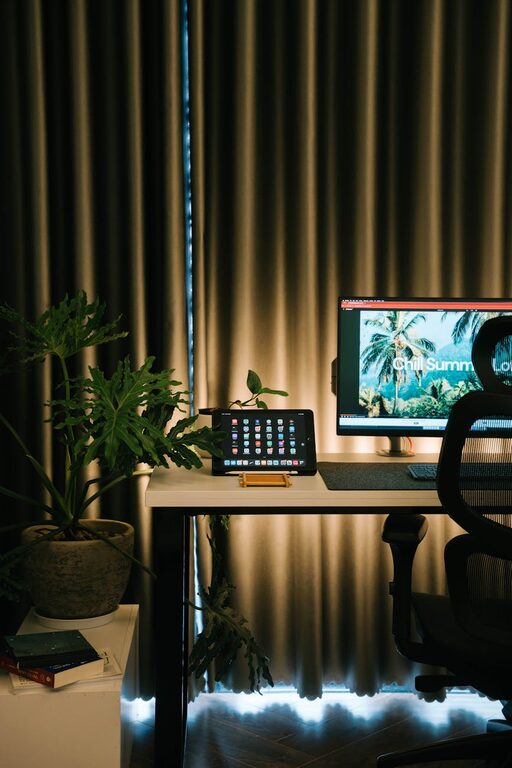
– Plants: Small indoor plants boost air quality and add a touch of nature.
– Artwork or photos: Decorate with images or items that inspire and motivate you.
– Comfort items: A cozy throw blanket or a cushion can increase comfort.
Establish Boundaries
To maintain work-life balance, it’s important to set limits around your office space.
– Set work hours: Define when your workday starts and ends.
– Use visual cues: Closing the door or putting up a “do not disturb” sign can signal focus time.
– Take breaks: Step away from your desk regularly to refresh your mind.
Connect Technology Efficiently
Having reliable and appropriate technology is crucial.
– High-speed internet: Ensure your connection supports video calls and smooth browsing.
– Quality peripherals: Use a good keyboard, mouse, and headset to improve comfort.
– Backup solutions: Keep important files backed up on cloud services or external drives.
Maintain Regular Cleaning
Keeping your workspace clean supports mental clarity and health.
– Dust and wipe surfaces: Regularly clean your desk, keyboard, and screens.
– Empty trash bins daily: Avoid clutter buildup.
– Air freshening: Use natural scents or air purifiers to maintain a pleasant environment.
Incorporate Movement
Sitting all day can negatively affect health and focus.
– Use a standing desk: Alternate between sitting and standing when possible.
– Set timers for movement: Stretch or walk briefly every hour.
– Desk exercises: Simple stretches at your desk can improve circulation.
—
Creating a home office that suits your needs takes time and consideration, but the benefits to your comfort and productivity are well worth the effort. By choosing the right location, investing in ergonomic furniture, organizing efficiently, and personalizing your space, you create an environment that supports your work and well-being. Remember, a productive workspace is one that feels good to be in and helps you focus on what matters most.